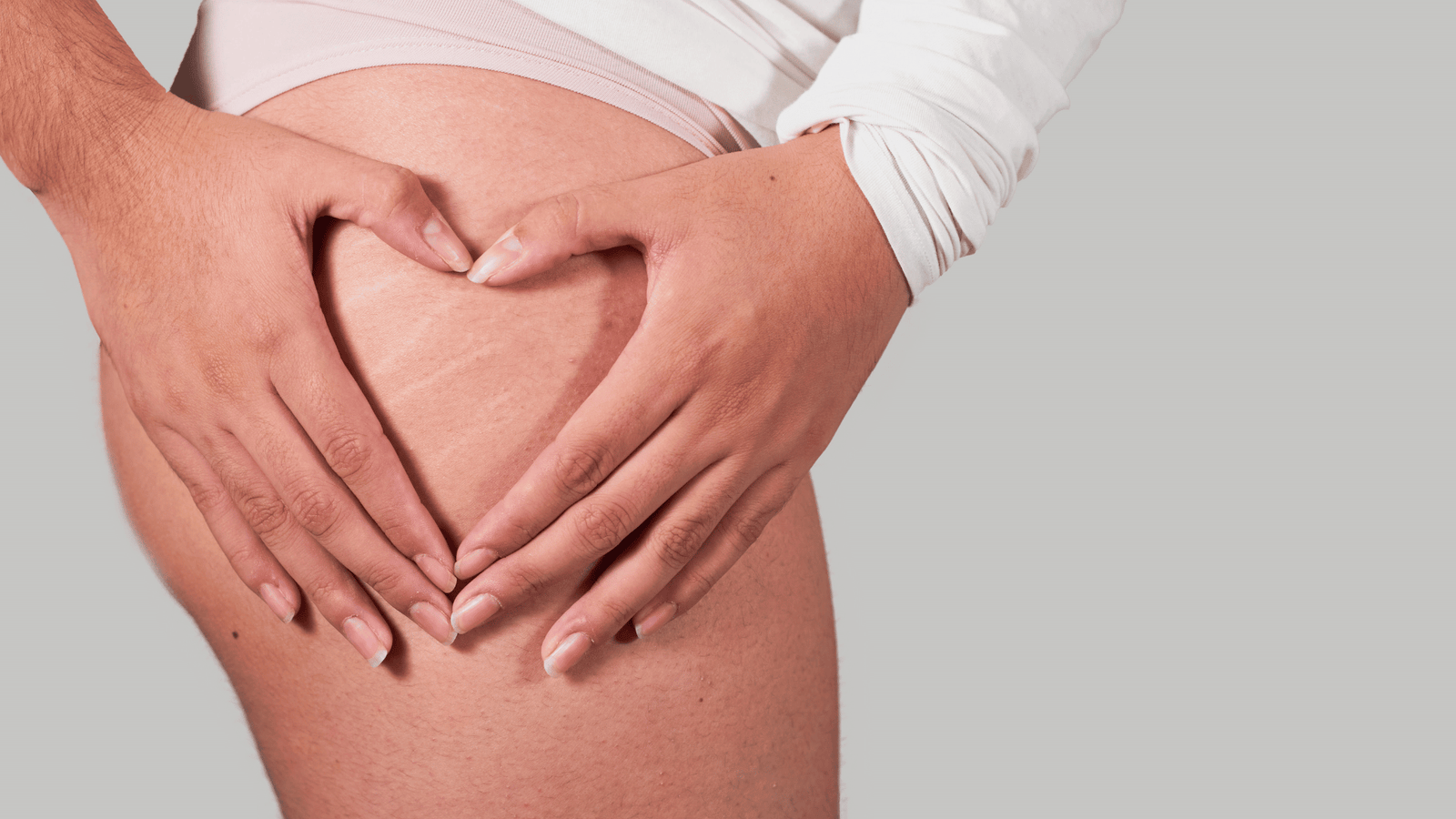
Scars and stretch marks are caused by seven common factors — from acne and surgery to pregnancy and rapid weight change. Understanding which one applies to you is the first step to choosing the right treatment. Stretch marks alone affect up to 90% of people at some point in their lives.
Major Causes of Scars and Stretch Marks
While stretch marks are common skin concerns capable of affecting anyone, it is still necessary to understand what specifically causes them in the first place, so you will know how to manage and prevent their possible occurrence. Also, stretch marks are never harmful, but it would still be a good idea to seek treatment for the condition to lessen their appearance.
To help you create a proper treatment plan for scars and stretch marks, here are their major causes that you have to address:
7 Causes of Scars and Stretch Marks
If you want smoother skin, scar removal treatments at Manchester Aesthetics Clinic can help.
- Injury – Your skin may form a scar after an injury as part of its natural healing process. The size and appearance of the scar can depend on the depth, location, and severity of the injury.
- Acne – Inflammatory acne can damage the deeper layers of the skin and lead to scarring. Picking or squeezing spots may increase the risk of permanent marks. If acne has left visible texture or depressions, you can explore our scar reduction treatment in Manchester.
- Surgery – Surgical procedures can leave scars because the skin must heal after an incision. The final appearance of the scar can vary depending on the procedure and the individual healing response.
- Pregnancy – Around 50% to 90% of women may develop stretch marks during or after pregnancy as the skin stretches to accommodate changes in the body.
- Growth spurts – Rapid growth during puberty can stretch the skin faster than it can adapt, often causing stretch marks on the thighs, hips, back and upper arms.
- Rapid weight gain – Gaining weight quickly can place sudden pressure on the skin’s collagen and elastin, increasing the likelihood of stretch marks. If the marks remain visible after the skin has settled, learn more about our stretch mark treatment in Manchester.
- Medical conditions – Conditions such as Cushing’s syndrome and Marfan syndrome can affect hormone levels, connective tissue or skin elasticity, making stretch marks more likely to develop.
How do Stretch Marks and Scars Form?
So, how do stretch marks form exactly? The answer is mainly based on your skin structure. Your skin has three key layers. Expect stretch marks to appear in the middle layer or dermis in case your connective tissues get stretched beyond what your skin’s elasticity can handle. It could be because of your skin’s rapid contraction or expansion.
The growth of your body can also lead to slow stretching in the dermis, thereby accommodating the slow growth. Note, though, that rapid growth also results in sudden stretching, making it possible for the dermis to tear. This further causes the tearing of the dermis, making it possible for your skin’s deeper layers to show.
Where Do Stretch Marks Commonly Appear?
Stretch marks commonly develop on areas where the skin expands or contracts quickly, including the stomach, thighs, hips, breasts, lower back, and upper arms. They may initially appear red, pink or purple before gradually becoming lighter, white, or silver.
Although pregnancy, puberty, and rapid weight changes are common triggers, genetics, hormonal changes, and individual skin elasticity can also influence whether stretch marks develop.
How to Treat Scars and Stretch Marks?
Now that you know what causes scars and stretch marks, here’s how each treatment targets the underlying issue — whether it’s boosting collagen, calming blood vessels, or resurfacing damaged skin.
Microneedling
Microneedling is one of the most commonly used procedures in a dermatologist’s clinic as it helps improve your skin’s appearance. It gets rid of stretch marks and fades scars.
The whole microneedling procedure actually involves the use of thin needles when it comes to poking your skin. This move can form tiny skin injuries that actually help in stimulating the growth of elastin and collagen. Expect to see microneedling producing visible results within just a few months. This procedure is highly recommended for stretch mark removal treatments.
Learn more about microneedling treatment in Manchester and whether it may be suitable for your skin concern.
Laser Therapy
Getting rid of scars and stretch marks is also possible with laser therapy. There’s what we call the pulsed dye laser therapy, which is basically a painless procedure that uses a blast of light applied to red and new stretch marks. The energy of the light helps in calming the blood vessels beneath your skin that triggered the marks. The constant use of this therapy can definitely help stretch marks disappear.
There is also excimer therapy, which exposes your stretch marks to UVB light. It is considered a safe treatment, especially in terms of correcting pigment problems caused by stretch marks.
Skin Peels
Skin or chemical peel refers to an acidic solution, which works by burning off the topmost part or layer of your skin. The goal here is to get rid of damaged and dead skin cells and stimulate the growth of new ones. This kind of treatment may fade stretch marks, but take note that it won’t be able to get rid of this condition completely.
Microdermabrasion
You can also resolve scars and stretch marks by undergoing microdermabrasion, a procedure that uses small crystals when it comes to rub off the topmost part or layer of your skin. It supports the fading of reddish and new stretch marks, especially if you combine this procedure with skin peels.
Consultation: Book a Consultation for a Stretch Mark Treatment Now
Scars and stretch marks are skin conditions that can be resolved with the right treatment. You can fade them or get rid of them from your skin permanently. Fortunately, it is now possible to find the most suitable and effective treatment for your case with the help of the Manchester skin clinic.
Book a laser and skin consultation in Manchester to receive a personalised treatment recommendation.
